
Welcome to our latest article focusing on the essential topic of Synology Certificate Authority. In this piece, we will delve into the importance of certificates, how they are managed within the Synology ecosystem, and practical tips for ensuring your digital security is up to par. Let’s explore the world of certificates and how they play a crucial role in securing your digital assets.
Step-by-Step Guide: Adding Trusted Certificates to Synology
When it comes to managing certificates on your Synology device, adding trusted certificates is crucial for ensuring secure connections. The Synology Certificate Authority plays a key role in this process, allowing you to create and manage SSL/TLS certificates for your Synology NAS.
Here is a step-by-step guide to help you add trusted certificates to your Synology device using the Synology Certificate Authority:
- Access the Synology DSM (DiskStation Manager) interface.
- Navigate to the Control Panel and select “Security.”
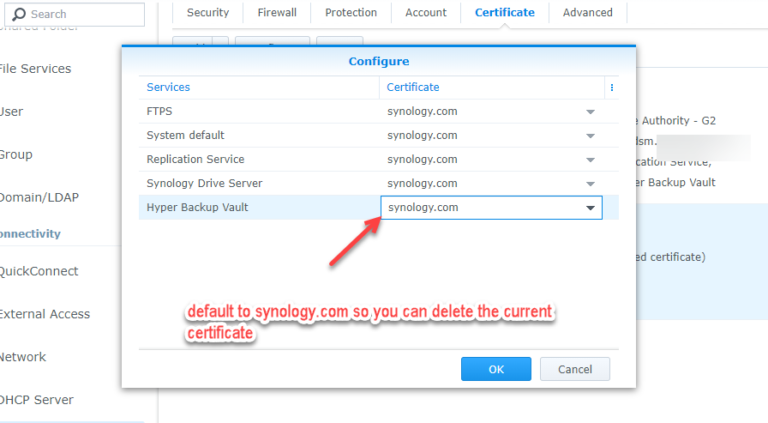
- Click on the “Certificate” tab and then select “Add” to create a new certificate.
- Choose the option to create a new self-signed certificate or import an existing certificate.
- If you choose to create a new certificate, fill in the required information such as the common name, organization, and validity period.
- Once the certificate is created, go back to the “Certificate” tab and select “Add” again.
- This time, choose the option to import a certificate signed by the Synology Certificate Authority.
- Upload the certificate file and key file that you received from the Synology Certificate Authority.
- Click “Next” and review the certificate information before clicking “Apply” to complete the process.
By following these steps, you can easily add trusted certificates to your Synology device using the Synology Certificate Authority. This will help secure your connections and ensure the authenticity of your Synology NAS.
SSL Certificates: Essential for Securing Your Synology NAS
SSL Certificates play a crucial role in securing your Synology NAS, especially when obtained from a trusted Synology Certificate Authority. Here’s why they are essential for ensuring the safety and integrity of your data:
1. Encryption: SSL Certificates encrypt the data exchanged between your devices and the NAS, making it unreadable to anyone intercepting the communication.
2. Authentication: Certificates issued by a reputable Synology Certificate Authority validate the identity of your NAS, ensuring that you are connecting to the right server and not a malicious entity.
3. Trust: Browsers and devices trust connections secured with SSL Certificates, displaying the padlock icon and “https://” in the address bar, instilling confidence in users that their data is secure.
4. Compliance: Using SSL Certificates from a reliable Synology Certificate Authority helps you comply with industry regulations and standards that mandate data protection measures.
When setting up SSL Certificates for your Synology NAS, make sure to:
- Generate a Certificate Signing Request (CSR) on your NAS.
- Submit the CSR to a trusted Synology Certificate Authority for validation.
- Install the issued SSL Certificate on your NAS for secure connections.
- Regularly renew your SSL Certificate to maintain continuous protection.
By following these steps and utilizing SSL Certificates from a reliable Synology Certificate Authority, you can safeguard your data and enhance the security of your Synology NAS effectively.
Decoding Certificate Authorities: Can You Trust Them?
When it comes to Synology Certificate Authority, trust is paramount. Decoding certificate authorities is crucial to ensure the security and reliability of your certificates. Certificate authorities play a vital role in verifying the authenticity of digital certificates, which are essential for secure communication over the internet.
For Synology users, understanding how the Synology Certificate Authority works is key to establishing trust in the certificates issued by this platform. Synology Certificate Authority provides a streamlined process for creating and managing certificates within the Synology environment.
Here are some key points to consider when evaluating the trustworthiness of Synology Certificate Authority:
- Verify the reputation and reliability of Synology as a certificate authority provider.
- Review the security protocols and measures implemented by Synology to safeguard certificate issuance.
- Ensure that Synology follows industry best practices and standards for certificate management.
By following these steps, you can confidently trust the certificates issued by Synology Certificate Authority for your digital security needs.
Step-by-Step Guide to Setting Up Your Own Certificate Authority
Setting up your own certificate authority with Synology Certificate Authority is a straightforward process that can provide added security to your network. Here is a simplified step-by-step guide to help you through the setup:
1. Access the Certificate Authority:
Log in to your Synology NAS and go to the Control Panel. Under the Security section, you will find the Certificate Authority app. Click on it to access the tool.
2. Create a New Certificate Authority:
Click on “Create” to start the process of setting up a new certificate authority. You will be prompted to enter details such as the name of the CA, validity period, and key length.
3. Generate a Certificate:
After creating the CA, you can proceed to generate a certificate. Click on “Create” and fill in the required information, such as the common name and validity period. The certificate will be signed by the CA you created.
4. Download and Install the Certificate:
Once the certificate is generated, click on “Export” to download it to your device. You can then install this certificate on the devices that need to communicate securely within your network.
5. Renew Certificates:
Remember to renew your certificates before they expire to ensure uninterrupted secure communication. You can do this by accessing the Certificate Authority app and selecting the certificate to renew.
By following these steps, you can set up your own certificate authority using Synology Certificate Authority with ease. Keep your network secure and encrypted by managing your certificates effectively.
As we conclude our discussion on Synology Certificate Authority, remember that securing your data is crucial in today’s digital world. Don’t forget to regularly update your certificates and stay informed about the latest cybersecurity trends.
Before we part ways, I encourage you to share your thoughts or questions in the comments section below. Your feedback is valuable to us and can spark further discussions on this topic. You can also share this article on your social media platforms to help others stay informed.
Remember, while we strive to provide accurate and helpful information, always consult with a professional for specific advice tailored to your situation.
Thank you for being a part of our community, and we look forward to having you join us in our future discussions. Stay safe and stay informed!
If you found this article informative and engaging, be sure to visit our IT Certifications section for more insightful articles like this one. Whether you’re a seasoned enthusiast or just beginning to delve into the topic, there’s always something new to discover in auslegalhub.com. See you there!

