
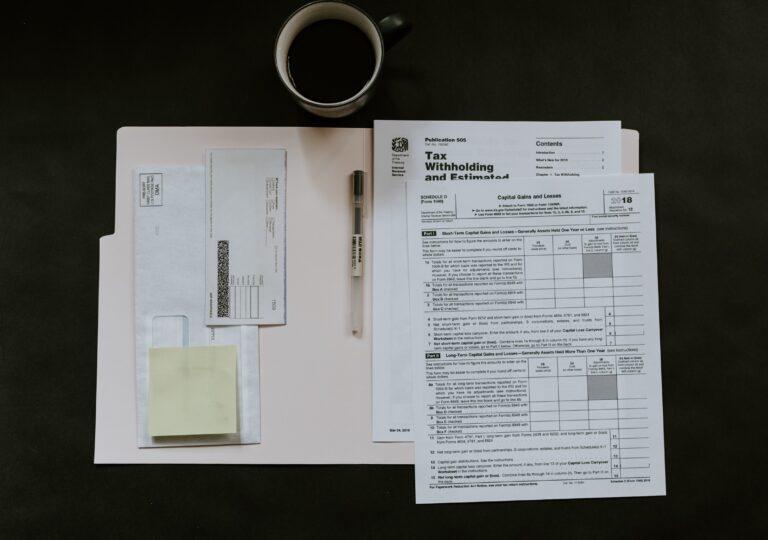
Understanding the differences between being employed and self-employed is crucial when it comes to managing your taxes efficiently. Whether you work for a company or run your own business, each status comes with its own set of tax implications that could impact your financial situation. In this article, we will explore the key distinctions between being employed and self-employed in terms of taxes, helping you navigate this complex aspect of personal finance with confidence.
Can You Work as an Employee and Self-Employed Simultaneously in Australia?
Working as an employee and self-employed simultaneously in Australia can be a feasible option for individuals seeking to diversify their income streams. However, it is crucial to understand the implications this dual work arrangement may have on your tax obligations. In Australia, the tax treatment for employees and self-employed individuals differs significantly, impacting how much tax you are required to pay and how you report your income.
When working as both an employee and self-employed individual, you must consider the following key points:
- Income tax: As an employee, your employer is responsible for withholding income tax from your salary through the Pay As You Go (PAYG) system. Conversely, as a self-employed individual, you are required to pay your own income tax through quarterly installment payments or annually based on your earnings.
- Tax deductions: Employees are entitled to claim certain tax deductions related to their employment, such as work-related expenses. On the other hand, self-employed individuals can claim a broader range of deductions, including expenses directly related to running their business.
- Superannuation: As an employee, your employer is obligated to make superannuation contributions on your behalf. When you are self-employed, you are responsible for making your own superannuation contributions, which can have implications for your retirement savings.
It is essential to keep detailed records of your income and expenses related to both your employment and self-employment activities to accurately fulfill your tax obligations. Additionally, seeking advice from a tax professional or accountant can help you navigate the complexities of managing your tax affairs in this dual capacity.
By understanding the nuances of being both an employee and self-employed individual in Australia, you can effectively manage your tax responsibilities and maximize your overall financial well-being.
Balancing Act: Working Full-Time and Running a Sole Trader Business
When balancing a full-time job and managing a sole trader business, understanding the tax implications for both employed and self-employed individuals is crucial. Here’s a breakdown to help you navigate this balancing act effectively:
Tax Considerations for Employed Individuals:
For those working full-time as employees, taxes are typically deducted automatically from their salaries by their employers. It’s important to ensure that all income is accurately reported in your tax return to avoid any discrepancies or penalties. Keep track of any additional income from your sole trader business to declare it correctly.
Tax Considerations for Self-Employed Individuals:
As a sole trader running your own business, you are responsible for managing your taxes. Make sure to keep detailed records of your income and expenses to accurately calculate your taxable profits. It’s advisable to set aside a portion of your earnings for taxes to avoid any financial surprises at the end of the tax year.
When balancing both roles, consider the following tips:
- Separate your personal and business finances to simplify tax reporting.
- Stay organized by setting aside time each week to manage your business finances.
- Consult with a tax professional to ensure you are maximizing deductions and complying with tax laws.
By staying informed and proactive in managing your tax obligations as both an employed individual and a self-employed sole trader, you can effectively navigate the complexities of running a business while working full-time.
Unveiling Tax Insights: Self-Employed Tax Obligations in Australia
Self-employed tax obligations in Australia can be complex, but understanding the key aspects is crucial for compliance and financial planning. Whether you are just starting as a freelancer or are already established as a sole trader, being aware of your tax obligations is essential.
As a self-employed individual in Australia, you are responsible for managing your own taxes. This includes not only paying income tax but also taking care of Goods and Services Tax (GST) if your annual turnover exceeds the threshold set by the Australian Taxation Office (ATO).
Here are some key points to consider when it comes to tax obligations for self-employed individuals in Australia:
- Income Tax: You need to report your business income and expenses in your individual tax return. Make sure to keep detailed records to support your claims.
- Goods and Services Tax (GST): If your annual turnover exceeds $75,000 (or $150,000 for non-profit organizations), you are required to register for and pay GST on your taxable supplies.
- Business Activity Statements (BAS): You may need to lodge a BAS periodically to report your GST, pay as you go (PAYG) instalments, and other taxes to the ATO.
- Deductions: Make sure to claim all deductions you are entitled to, such as work-related expenses, home office expenses, and motor vehicle expenses, to reduce your taxable income.
By staying informed about your tax obligations as a self-employed individual in Australia and keeping accurate records, you can effectively manage your finances and avoid potential issues with the tax authorities. If you have any doubts or need assistance, consider consulting with a tax professional to ensure compliance and optimize your tax situation.
Understanding Independent Contractor Taxes: Working for a Company and Managing Your Own Tax Payments
When it comes to taxes for independent contractors, whether you are working for a company or managing your own tax payments, understanding the differences between tax employed and self employed is crucial. As an independent contractor, you are responsible for handling your own taxes, which means you need to be well-informed about the tax implications of your work status.
Here are some key points to consider when it comes to tax employed and self employed individuals:
- Tax Withholding: As an employee, taxes are typically withheld from your paycheck by your employer. However, as a self-employed individual, you are responsible for calculating and paying your taxes yourself.
- Tax Deductions: Employees may have access to certain tax deductions, but self-employed individuals often have more opportunities for deductions related to business expenses.
- Self-Employment Tax: Self-employed individuals are required to pay self-employment tax, which covers Social Security and Medicare taxes that would normally be split between employers and employees in traditional employment.
It’s important to keep detailed records of your income and expenses as a self-employed individual to ensure accurate tax reporting. Consider setting aside a portion of your income for taxes to avoid surprises come tax time. Additionally, consulting with a tax professional can help you navigate the complexities of self-employment taxes and ensure compliance with tax laws.
By understanding the differences between tax employed and self employed individuals, you can proactively manage your tax obligations and avoid potential issues with the IRS. Stay informed, keep organized financial records, and seek professional advice when needed to stay on top of your tax responsibilities as an independent contractor.
As we wrap up our discussion on tax implications for the employed and self-employed, here’s a final tip: keep detailed records of your income and expenses throughout the year. This will not only make tax filing easier but also help you maximize your deductions and credits, ultimately saving you money.
Remember, understanding your tax obligations is crucial for financial planning and compliance. If you have any doubts or need personalized advice, always consult with a tax professional. They can provide tailored guidance based on your specific situation.
Thank you for joining us today! We hope you found this information valuable. Feel free to share your thoughts in the comments section below, share this article with your network, or explore other related topics on our blog. Your engagement and feedback help us create content that meets your needs and interests.
Stay informed, stay proactive, and until next time!
If you found this article informative and engaging, be sure to visit our Income Tax section for more insightful articles like this one. Whether you’re a seasoned enthusiast or just beginning to delve into the topic, there’s always something new to discover in auslegalhub.com. See you there!

