
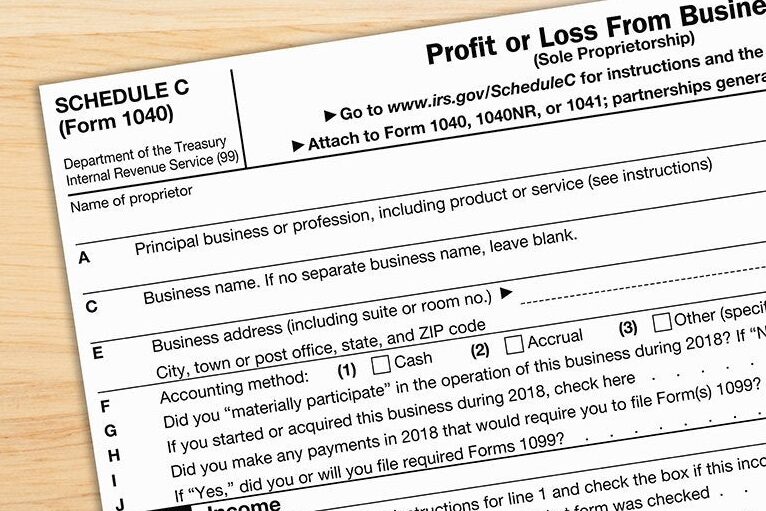
Welcome to our latest article discussing the often overwhelming topic of taxes. Today, we will delve into the concept of managing your taxes on the go, providing you with practical tips and insights to stay on top of your tax obligations, even when life keeps you on the move. Let’s explore how you can navigate the complexities of tax requirements with ease and efficiency, no matter where your journey takes you.
Maximizing Savings: Smart Strategies to Minimize Tax on Your Australian Accounts
When it comes to minimizing tax on your Australian accounts, being strategic is key. Tax on the run can be challenging, but with the right approach, you can maximize your savings effectively. Here are some smart strategies to help you navigate tax implications successfully:
- Evaluate Your Accounts: Start by reviewing all your Australian accounts to understand the tax implications associated with each.
- Utilize Tax-Efficient Accounts: Consider investing in tax-efficient accounts such as superannuation funds or investment bonds to minimize tax liabilities.
- Stay Informed: Keep yourself updated on the latest tax laws and regulations in Australia to make informed decisions.
- Seek Professional Advice: Consult with a tax advisor or financial planner to develop a personalized tax strategy tailored to your specific circumstances.
- Plan Ahead: Implement long-term tax planning strategies to optimize your savings and minimize tax obligations.
By following these strategies and staying proactive in managing your Australian accounts, you can effectively reduce your tax burden and maximize your savings in the long run.
Demystifying the ATO 2024 Tax Rate: Everything You Need to Know
When it comes to tax on the run, staying informed about the ATO 2024 Tax Rate is crucial for individuals and businesses alike. Understanding the key aspects of tax rates can help you make informed decisions and plan ahead effectively. Here’s a breakdown of everything you need to know:
Key Points About ATO 2024 Tax Rate
- Tax Rates: The ATO 2024 Tax Rate is determined by the Australian Taxation Office and may vary based on income levels and tax brackets.
- Changes: It’s essential to stay updated on any changes to the tax rates to ensure compliance and avoid penalties.
- Filing Deadlines: Knowing the deadlines for filing tax returns is important to avoid late lodgment penalties.
Tips for Managing Your Taxes
- Keep Records: Maintain accurate records of your income, expenses, and deductions to support your tax return.
- Seek Professional Help: Consider consulting a tax professional to maximize deductions and ensure compliance with tax laws.
- Plan Ahead: Plan your finances strategically to take advantage of tax benefits and minimize tax liabilities.
By understanding the ATO 2024 Tax Rate and following these tips, you can navigate tax on the run more effectively and make the most of your financial resources.
Demystifying Turnover Tax: Understanding the Basics
When it comes to tax on the run, understanding the basics of turnover tax is essential to ensure compliance and avoid any potential issues. Turnover tax is a type of tax that is calculated based on the total sales or revenue generated by a business within a specific period. It is important to grasp the key concepts and implications of turnover tax to manage your tax obligations effectively.
Here are some key points to demystify turnover tax:
- Calculate Turnover: To determine your turnover, you need to add up all the income received from your business activities. This includes sales revenue, service fees, and any other sources of income related to your business.
- Tax Rate: Turnover tax is usually charged at a flat rate on the total turnover of the business. The tax rate may vary depending on the jurisdiction and the type of business.
- Thresholds: Some jurisdictions have turnover tax thresholds, which means that businesses below a certain turnover level may be exempt from paying turnover tax.
- Filing Requirements: It is important to understand the filing requirements for turnover tax in your jurisdiction. This includes the frequency of tax filings and the deadlines for submission.
By having a clear understanding of these key points, you can effectively manage your turnover tax obligations and ensure compliance with the relevant regulations. If you have any doubts or need assistance with turnover tax, it is advisable to consult with a tax professional or accountant who can provide tailored advice based on your specific circumstances.
Sole Trader Tax Guide: Calculating Your Tax Obligations
Tax on the run can be a daunting task for sole traders, especially when it comes to calculating tax obligations. Understanding how to manage your tax responsibilities is crucial to avoid any issues with the authorities. Here are some key steps to help you navigate through this process effectively:
1. Keep Detailed Records:
It’s essential to maintain accurate records of all your income and expenses throughout the year. This will make it easier to calculate your taxable income at the end of the financial year.
2. Understand Tax Deductions:
Educate yourself on what expenses can be claimed as tax deductions for your sole trader business. This can include office supplies, travel expenses, and even a portion of your home office costs.
3. Calculate Your Taxable Income:
Once you have a clear picture of your income and deductions, you can calculate your taxable income. This will determine how much tax you owe to the government.
4. Consider Quarterly Payments:
Instead of facing a large tax bill at the end of the year, consider making quarterly payments to spread out your tax obligations. This can help you manage your cash flow more effectively.
5. Seek Professional Advice:
If you’re unsure about any aspect of your tax obligations as a sole trader, don’t hesitate to seek advice from a tax professional. They can provide valuable insights and ensure you comply with all tax regulations.
By following these steps and staying organized throughout the year, you can navigate tax on the run with confidence and ease as a sole trader.
As we wrap up our discussion on taxes on the run, here’s a final tip for you: always keep track of your expenses and income on the go using apps or software designed for this purpose. This will help you stay organized and prepared when tax season rolls around.
Remember, the information provided in this blog is meant to be informative and educational. For personalized advice tailored to your specific situation, always consult with a professional tax advisor or accountant.
We hope you found this article helpful! Feel free to share your thoughts in the comments below, share this post on social media, or explore our other related articles for more useful tips and insights.
Thank you for reading, and remember, staying informed is the first step towards managing your tax responsibilities effectively!
If you found this article informative and engaging, be sure to visit our IT Certifications section for more insightful articles like this one. Whether you’re a seasoned enthusiast or just beginning to delve into the topic, there’s always something new to discover in auslegalhub.com. See you there!

