
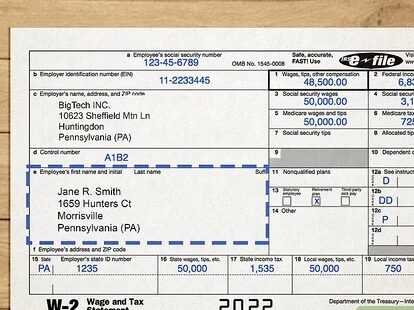
Understanding your tax residency status is crucial for compliance with tax laws and regulations. In this article, we will explore the concept of tax residency self-certification, why it is important, and how you can determine and certify your tax residency status to the relevant authorities. Stay tuned to learn how to navigate this essential aspect of tax compliance with confidence.
Demystifying Tax Residency Self-Certification: Do You Need to Declare?
When it comes to tax residency self-certification, understanding your obligations is crucial to avoid any potential issues with tax authorities. To demystify the process, let’s delve into whether you need to declare your tax residency status.
Tax residency is determined by various factors, such as the number of days you spend in a country, your ties to that country, and your intention to reside there. If you meet the criteria for being a tax resident in a particular country, you may be required to declare your tax residency status by completing a self-certification form.
Here are some key points to consider when determining whether you need to declare your tax residency:
- Review the tax laws in the country where you reside to understand the criteria for tax residency.
- Check if there is a tax treaty between your home country and the country where you are residing, as this can impact your tax residency status.
- Consult with a tax advisor or legal professional to ensure you are meeting all tax obligations.
By proactively understanding and fulfilling your tax residency self-certification requirements, you can avoid potential penalties or misunderstandings with tax authorities. Remember, staying informed and compliant is key to a smooth tax residency process.
Demystifying Tax Residency Certificates in Australia: A Complete Guide
In the context of tax residency self certification in Australia, obtaining a Tax Residency Certificate is crucial for individuals and businesses to determine their tax obligations. Understanding the process and requirements for obtaining this certificate can help simplify tax matters and ensure compliance with Australian tax laws.
What is a Tax Residency Certificate?
A Tax Residency Certificate is an official document issued by the Australian Taxation Office (ATO) that certifies an individual or entity’s tax residency status in Australia. This certificate is essential for individuals or entities to avail of benefits under Double Taxation Avoidance Agreements (DTAAs) and claim relief on taxes paid in multiple jurisdictions.
How to Obtain a Tax Residency Certificate?
Here is a step-by-step guide on how to obtain a Tax Residency Certificate through self-certification:
- Ensure you meet the tax residency criteria set by the ATO.
- Complete the Tax Residency Self-Certification form available on the ATO website.
- Provide supporting documents such as proof of identity, residential address, and income sources.
- Submit the completed form and documents to the ATO for processing.
- Wait for the ATO to review your application and issue the Tax Residency Certificate.
Benefits of Tax Residency Certificate
Having a Tax Residency Certificate offers the following benefits:
| 1. Tax Treaty Benefits: | Allows individuals or entities to claim benefits under DTAAs. |
| 2. Tax Compliance: | Helps in determining tax obligations in Australia and other jurisdictions. |
| 3. Avoiding Double Taxation: | Prevents individuals or entities from being taxed twice on the same income. |
By following the self-certification process and obtaining a Tax Residency Certificate, individuals and businesses can simplify their tax affairs and ensure they are meeting their tax obligations in Australia.
Demystifying Tax Residency: Guidelines for Australia
When it comes to understanding tax residency in Australia, self-certification is a crucial aspect that individuals must grasp. By self-certifying their tax residency status, individuals declare where they are considered tax residents for Australian tax purposes. This process involves a thorough assessment of various factors to determine one’s tax residency status accurately.
Below are some essential guidelines to demystify tax residency self-certification in Australia:
1. Understand the Criteria: To determine your tax residency status, consider factors such as the amount of time you spend in Australia, your purpose of stay, and any ties you have in the country.
2. Complete the Self-Certification Form: The Australian Taxation Office (ATO) provides a self-certification form for individuals to declare their tax residency status. Ensure you fill out this form accurately and truthfully.
3. Seek Professional Advice: If you are unsure about your tax residency status or find the self-certification process confusing, consider seeking advice from a tax professional or accountant with expertise in Australian tax laws.
4. Keep Relevant Documentation: Maintain records of your travel history, accommodation details, employment contracts, and any other relevant documents that can support your tax residency self-certification.
5. Review Regularly: Your tax residency status may change over time due to various factors. Therefore, it is essential to review your status regularly and update your self-certification if needed.
By following these guidelines and understanding the process of tax residency self-certification in Australia, individuals can ensure compliance with Australian tax laws and avoid potential issues with tax authorities.
Demystifying CRS Self-Certification: Your Guide to Compliance
Welcome to our guide on tax residency self certification under CRS (Common Reporting Standard). Understanding and complying with CRS self-certification is crucial for individuals and entities to meet their tax obligations. Let’s break down the key points to demystify this process:
What is CRS self-certification?
CRS self-certification is a procedure where individuals and entities declare their tax residency status to financial institutions. This information is then reported to the tax authorities to prevent tax evasion and ensure compliance with international tax regulations.
Why is it important to comply?
Failure to comply with tax residency self certification requirements can result in penalties, fines, or even legal consequences. By providing accurate information through CRS self-certification, you avoid potential legal issues and demonstrate transparency in your tax affairs.
How to complete CRS self-certification?
Follow these steps to ensure compliance:
- Gather necessary documentation to verify your tax residency status.
- Complete the self-certification form provided by your financial institution.
- Ensure all information provided is accurate and up-to-date.
- Submit the form within the specified deadline to avoid any issues.
Common challenges and how to overcome them
| Challenge | Solution |
|---|---|
| Understanding tax residency rules | Consult with a tax advisor or legal expert to clarify any doubts. |
| Updating information regularly | Set reminders to review and update your tax residency self certification as needed. |
| Language barriers | Seek assistance from multilingual professionals or use translation services. |
By following these guidelines and staying informed about tax residency self certification requirements, you can navigate the process with confidence and ensure compliance with international tax standards. Remember, transparency is key when it comes to tax matters.
As a final tip on tax residency self-certification, it’s crucial to keep detailed records of your residency status, income sources, and tax obligations to ensure compliance with regulations. Remember, accurately completing and submitting your self-certification form will help prevent any potential issues with tax authorities in the future.
Thank you for reading our blog on legal and regulatory topics related to certificates, contracts, declarations, licenses, renewals, and tax issues. We hope you found the information valuable and practical for your needs.
We encourage you to share your thoughts or questions in the comments section below. You can also share this article with others who may benefit from the information. Stay informed by exploring other related articles on our blog.
Remember, while our blog provides useful insights, it’s always advisable to consult with a professional in the field for personalized advice and guidance.
Stay informed, stay compliant, and thank you for being a part of our community!
If you found this article informative and engaging, be sure to visit our Other Declarations section for more insightful articles like this one. Whether you’re a seasoned enthusiast or just beginning to delve into the topic, there’s always something new to discover in auslegalhub.com. See you there!

