
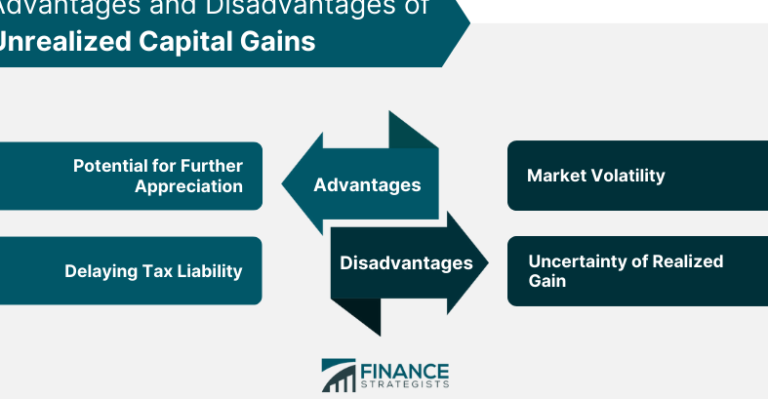
Have you ever wondered about the tax implications of unrealized gains in your investments? Understanding how these gains can affect your tax liability is crucial for making informed financial decisions. In this article, we will explore what tax unrealized gains are and how they can impact your tax situation. Stay tuned to learn more about this important aspect of taxation.
Understanding Taxation of Unrealised Gains in Australia
When it comes to taxation of unrealised gains in Australia, it’s essential to understand the implications and how they can affect your financial situation. Unrealised gains refer to the increase in value of an asset that you own but have not yet sold. While you haven’t realized the profit by selling the asset, the Australian Taxation Office (ATO) still requires you to consider these gains for tax purposes.
Here are some key points to keep in mind regarding the tax treatment of unrealised gains in Australia:
- Capital Gains Tax (CGT): Unrealised gains are typically subject to Capital Gains Tax when the asset is eventually sold. This tax is calculated based on the difference between the purchase price and the sale price of the asset.
- Timing of Taxation: It’s important to note that you are not required to pay tax on unrealised gains until the asset is disposed of. This means that you only realize the gain for tax purposes when you sell the asset.
- Exemptions and Concessions: There are certain exemptions and concessions available that may reduce or eliminate the tax liability on unrealised gains. It’s advisable to consult with a tax professional to explore these options.
Understanding the tax implications of unrealised gains can help you make informed financial decisions and plan effectively for any tax obligations that may arise in the future. By staying informed and seeking professional advice when needed, you can navigate the complexities of taxation in Australia with confidence.
Demystifying Taxation on Unrealized Gains: Your Complete Guide
Understanding taxation on unrealized gains is crucial for managing your financial affairs effectively. When it comes to unrealized gains, the tax implications can be complex and often confusing. However, with the right knowledge and guidance, you can navigate this aspect of taxation successfully.
Here is a comprehensive guide to help you demystify taxation on unrealized gains and ensure you are well-informed:
1. Define Unrealized Gains
Unrealized gains refer to the increase in the value of an asset that you own but have not yet sold. This gain is considered unrealized because it has not been converted into cash through a sale.
2. Tax Treatment of Unrealized Gains
It’s important to note that in most tax jurisdictions, unrealized gains are not subject to tax until the asset is sold. This means that you only realize the gain and incur a tax liability when you sell the asset and lock in the profits.
3. Strategies to Manage Taxation on Unrealized Gains
There are several strategies you can employ to manage the tax implications of unrealized gains effectively:
- Tax-Loss Harvesting: Offset realized gains with realized losses to minimize your overall tax liability.
- Long-Term Holding: Holding onto assets for the long term can qualify you for lower capital gains tax rates.
- Estate Planning: Consider the impact of unrealized gains on your estate plan and explore strategies to minimize tax exposure for your heirs.
4. Seek Professional Advice
Given the complexity of taxation on unrealized gains, it’s advisable to consult with a tax professional or financial advisor. They can provide personalized guidance based on your specific financial situation and help you make informed decisions.
By understanding the nuances of taxation on unrealized gains and implementing effective strategies, you can optimize your tax situation and maximize your financial outcomes.
Demystifying Tax on Unrealized Gains: What You Need to Know
When it comes to understanding tax on unrealized gains, there are some key points to keep in mind to ensure you are well-informed and compliant with regulations. Unrealized gains refer to the increase in value of an asset that you own but have not yet sold. While these gains have not been realized through a sale, they can still have tax implications that you should be aware of.
Here are some important aspects to consider when it comes to tax on unrealized gains:
- Recognition: In many tax systems, unrealized gains are not taxed until they are realized through a sale. This means you are not required to pay taxes on the increased value of your assets until you actually sell them.
- Exceptions: However, there are exceptions to this rule, especially for certain types of assets or specific situations. It’s important to understand any exceptions that may apply to your investments or assets.
- Reporting: Even though you may not have to pay taxes on unrealized gains, you may still be required to report them to the tax authorities. Make sure you are aware of any reporting requirements in your jurisdiction.
- Investment Vehicles: Different investment vehicles, such as stocks, real estate, or cryptocurrencies, may have varying rules regarding the taxation of unrealized gains. Be sure to understand how these rules apply to your specific investments.
- Planning: It’s crucial to incorporate tax considerations into your overall financial planning, especially when it comes to unrealized gains. Consulting with a tax advisor or financial planner can help you make informed decisions and optimize your tax situation.
By staying informed about the implications of tax on unrealized gains and taking proactive steps to manage them effectively, you can navigate this aspect of taxation with confidence and compliance.
Understanding Unrealised Capital Gains: Tax Implications Explained
Understanding unrealised capital gains is crucial for managing your tax implications effectively. When it comes to tax unrealised gains, it’s essential to grasp the concept and implications to make informed financial decisions.
Unrealised capital gains refer to the profits that an investor would make if they sold an asset at its current market value, but they haven’t actually sold it yet. This situation commonly arises in investments such as stocks, real estate, or other appreciating assets.
For tax purposes, unrealised gains are not subject to taxation until the asset is sold. However, it’s vital to remember that once you sell the asset, you will need to report the capital gains on your tax return.
Here are some key points to consider when dealing with unrealised capital gains:
- Monitor your investments regularly to track any unrealised gains that may impact your tax liability.
- Consult with a tax professional to understand the specific tax implications of your unrealised gains.
- Consider tax-loss harvesting strategies to offset capital gains with capital losses.
By staying informed and proactive about your unrealised capital gains, you can navigate the tax implications effectively and optimize your financial situation.
As we wrap up our discussion on tax unrealised gains, here’s a final tip: Keep detailed records of your investments and transactions to accurately calculate your unrealised gains and potential tax implications. Being organized can save you time and money when tax season rolls around.
Remember, the information provided in this blog is for educational purposes only. Always consult with a professional tax advisor or accountant to ensure compliance with tax laws and regulations.
We hope you found this article helpful and informative. If you have any questions, insights, or experiences to share regarding tax unrealised gains, please feel free to leave a comment below. Don’t forget to share this article on social media to help others navigate this topic more effectively. And, if you’re interested in learning more about certificates, contracts, declarations, licenses, renewals, and other tax issues, be sure to check out our other related articles.
Thank you for reading and being a part of our community!
If you found this article informative and engaging, be sure to visit our Other Taxes section for more insightful articles like this one. Whether you’re a seasoned enthusiast or just beginning to delve into the topic, there’s always something new to discover in auslegalhub.com. See you there!

