
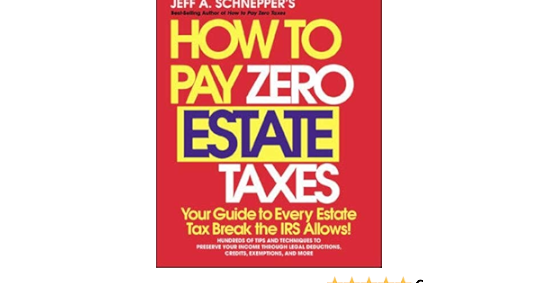
When it comes to managing the financial aspects of an estate, understanding the tax implications is crucial. Navigating the complexities of estate taxes can be daunting, but with the right knowledge and guidance, you can ensure that the process is smooth and compliant. In this article, we will explore key considerations and practical tips to help you effectively handle taxes for an estate.
Demystifying Estate Taxes: Understanding Your Obligations
When it comes to handling estate taxes, understanding your obligations is crucial. Estate taxes refer to the taxes imposed on the transfer of the estate of a deceased person. These taxes are based on the overall value of the estate and can significantly impact the inheritance received by beneficiaries.
Here are some key points to consider when dealing with estate taxes:
- Assess the Value of the Estate: Determine the total value of the estate, including assets such as property, investments, and personal belongings.
- Know the Exemption Threshold: Be aware of the estate tax exemption threshold set by the government, as estates below this threshold may not be subject to estate taxes.
- Understand Tax Rates: Familiarize yourself with the estate tax rates applicable to different value ranges of estates to estimate potential tax liabilities.
Additionally, seeking professional advice from a tax consultant or an estate planning attorney can help navigate the complexities of estate taxes and ensure compliance with legal requirements.
By staying informed and proactive in managing estate tax obligations, you can protect the value of the estate and minimize tax liabilities for the beneficiaries.
Understanding Estate Taxes in Australia: What You Need to Know
For individuals navigating estate planning in Australia, understanding estate taxes is crucial to ensure a smooth transfer of assets to beneficiaries. Here are key points to consider:
1. Thresholds and Rates: In Australia, estate taxes are known as inheritance taxes. Currently, there is no federal inheritance tax. However, individual states may impose probate fees or duties on the transfer of assets. Each state has different thresholds and rates, so it’s essential to be aware of the specific regulations in your state.
2. Exemptions and Deductions: Certain assets, such as a family home when passed to a surviving spouse, may be exempt from inheritance taxes. Additionally, specific deductions may apply, reducing the taxable amount of the estate. Consulting with a tax professional can help identify available exemptions and deductions.
3. Timing and Compliance: Estate taxes are typically due within a set period after the date of death. It’s essential to meet filing deadlines and comply with all reporting requirements to avoid penalties or interest charges. Keeping detailed records and seeking professional guidance can streamline the process.
4. Seeking Professional Advice: Estate tax laws can be complex, and seeking advice from a qualified estate planner or tax advisor is highly recommended. They can provide tailored guidance based on your specific circumstances and help minimize tax liabilities for your beneficiaries.
By understanding the nuances of estate taxes in Australia and staying informed about relevant regulations, individuals can effectively plan their estate to protect their assets and provide for their loved ones.
Understanding Estate Taxes: Will Beneficiaries Have to Pay?
When it comes to the estate taxes, a common concern is whether beneficiaries will be required to pay taxes on their inheritance. Understanding the implications of estate taxes is crucial for proper financial planning and to ensure compliance with legal requirements.
Beneficiaries typically do not have to pay estate taxes directly on their inheritance. Estate taxes are usually levied on the estate itself before distribution to the beneficiaries. However, it’s essential to consider the potential impact of estate taxes on the overall value of the estate and the amount that will eventually be inherited.
Here are some key points to consider regarding estate taxes and beneficiaries:
- Estate Tax Threshold: In the United States, estates worth below a certain threshold are not subject to federal estate taxes. It’s important to be aware of the current threshold to determine if the estate is exempt from taxation.
- Taxable Inheritance: If the estate exceeds the threshold, the excess amount may be subject to estate taxes. Beneficiaries should be aware that the taxable portion of the inheritance could be reduced due to tax obligations.
- Tax Planning: Engaging in proper tax planning can help minimize the impact of estate taxes on beneficiaries. Seeking advice from financial and legal professionals can provide strategies to reduce tax liabilities.
It’s advisable for beneficiaries to stay informed about the estate tax laws in their region and to consult with experts to understand their specific situation. By being proactive and knowledgeable, beneficiaries can navigate estate taxes effectively and optimize their inheritance.
Inheritance Tax Limits: How Much Can You Receive Tax-Free?
When it comes to inheritance tax in the context of estate taxes, understanding the limits of how much you can receive tax-free is crucial. In the United States, the federal government does not impose an inheritance tax. Instead, it has an estate tax that is levied on the transfer of a deceased person’s estate. However, individual states may have their own inheritance tax laws, so it’s essential to be aware of the specific regulations in your state.
For the year 2021, the federal estate tax exemption is $11.7 million per individual. This means that if the total value of the estate is below this threshold, no federal estate tax is owed. For married couples, proper estate planning can potentially double this exemption to $23.4 million through mechanisms like portability and trust arrangements.
It’s important to note that any amount above the exemption limit is subject to taxation at rates that can go up to 40%. Proper planning, such as gifting assets during your lifetime or setting up trusts, can help reduce the taxable value of your estate and maximize tax efficiency.
When dealing with estate taxes, consulting with a tax attorney or a financial advisor who specializes in estate planning can be highly beneficial. They can provide tailored advice based on your specific financial situation and help you navigate the complexities of inheritance tax laws.
As we wrap up our discussion on taxes for estates, here’s a final tip for you: keep detailed records of all transactions and expenses related to the estate to ensure accurate tax reporting. This will help you avoid potential issues with the tax authorities in the future.
Remember, dealing with taxes for estates can be complex, so always consult with a tax professional or estate planner to ensure you’re meeting all your tax obligations correctly and efficiently.
We hope you found this article helpful and informative. If you have any questions, tips, or experiences to share on this topic, feel free to leave a comment below. Don’t forget to share this article with others who might benefit from it, and explore our website for more articles on related topics.
Thank you for reading!
If you found this article informative and engaging, be sure to visit our Property Tax section for more insightful articles like this one. Whether you’re a seasoned enthusiast or just beginning to delve into the topic, there’s always something new to discover in auslegalhub.com. See you there!

