
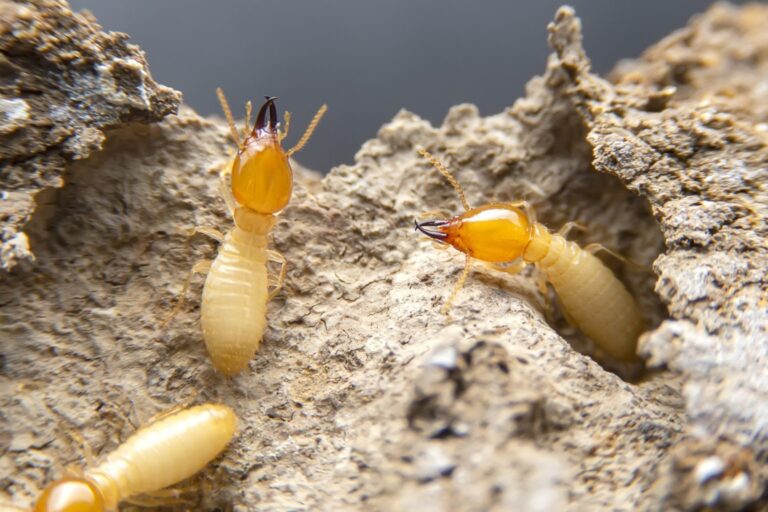
Are you buying or selling a property in New South Wales and wondering about termite certificate of compliance requirements? Understanding the regulations and processes surrounding termite certificates is crucial to ensure a smooth real estate transaction. In this article, we will delve into the legal and practical aspects of termite certificates in NSW, providing you with the information you need to navigate this important aspect of property transactions.
Understanding Termite Protection Requirements in NSW
To ensure compliance with termite protection requirements in NSW, obtaining a termite certificate of compliance is crucial. This certificate is a legal document that verifies that a property has been inspected for termites and meets the necessary protection standards set by the state. Understanding the requirements for termite protection in NSW is essential for property owners to avoid potential termite damage and legal issues.
When it comes to termite protection in NSW, there are specific guidelines that must be followed to obtain a termite certificate of compliance:
- Regular termite inspections: Property owners must arrange for regular termite inspections by a licensed pest control professional.
- Installation of termite barriers: Properties in high-risk areas are required to have termite barriers installed to prevent termite infestations.
- Compliance with Australian standards: All termite protection measures must meet the standards outlined in the Australian Building Codes and relevant regulations.
Failure to comply with termite protection requirements in NSW can result in significant financial and legal consequences. Property owners should prioritize termite prevention measures and ensure that they have a valid termite certificate of compliance to demonstrate their compliance with the law.
Understanding Termite Protection: Australian Standards Explained
When it comes to ensuring your property is free from the devastation termites can cause, understanding termite protection standards is vital. In Australia, specifically in New South Wales (NSW), compliance with these standards is crucial for obtaining a termite certificate of compliance.
A termite certificate of compliance NSW is a document that certifies a property has been inspected and is compliant with Australian standards for termite protection. Understanding these standards can help property owners take the necessary steps to prevent termite infestations and protect their investments.
Here are some key points to consider when it comes to understanding termite protection standards in relation to obtaining a termite certificate of compliance in NSW:
- Ensure that termite protection measures are in place according to Australian standards.
- Regularly inspect your property for any signs of termite activity.
- Keep records of termite inspections and any treatments carried out.
By following these guidelines and understanding the importance of termite protection standards, property owners can ensure their properties are well-protected against termite damage and meet the requirements for obtaining a termite certificate of compliance in NSW.
Demystifying Australian Standard AS 3660.2: Your Guide to Termite Management
When it comes to obtaining a termite certificate of compliance in NSW, understanding the Australian Standard AS 3660.2 is crucial. This standard outlines the requirements for termite management in buildings and structures, providing guidelines for preventing and managing termite infestations. To ensure compliance and protect your property from these destructive pests, follow these key steps:
- Understand the Standard: Familiarize yourself with the Australian Standard AS 3660.2 to know the requirements for termite management in NSW.
- Engage Professionals: Work with licensed pest control experts who are knowledgeable about termite management and can help you meet the standard’s specifications.
- Regular Inspections: Schedule regular termite inspections to detect any signs of infestation early and take necessary actions to prevent further damage.
- Maintain Records: Keep detailed records of termite inspections, treatments, and any preventive measures taken to demonstrate compliance with the standard.
- Seek Certification: Once your property meets the requirements of AS 3660.2, obtain a termite certificate of compliance in NSW to confirm that your building is termite-safe.
By following these steps and staying informed about the Australian Standard AS 3660.2, you can effectively manage and prevent termite infestations in your property. Remember, early prevention is key to avoiding costly damages caused by termites.
Understanding AS3660-1: Your Guide to Pest Inspections
When it comes to ensuring compliance with termite certificate of compliance NSW requirements, understanding AS3660-1 is crucial. This standard provides guidelines for pest inspections, including those related to termites, in buildings. By familiarizing yourself with AS3660-1, you can better navigate the process of obtaining a termite certificate of compliance in NSW.
Here are some key points to consider:
- AS3660-1 outlines the requirements for conducting pest inspections, including the frequency and thoroughness of inspections.
- It provides criteria for identifying termite activity and damage, helping inspectors determine the presence of termites in a building.
- The standard also offers recommendations for the treatment and prevention of termite infestations, which are essential for obtaining a termite certificate of compliance in NSW.
By following the guidelines set out in AS3660-1, you can ensure that your property meets the necessary requirements for a termite certificate of compliance in NSW. This not only helps you comply with regulations but also protects your property from potential termite damage.
Before we say goodbye, here’s a final tip for dealing with a termite certificate of compliance in NSW: make sure to keep all your paperwork organized and easily accessible. This will save you time and stress when you need to refer back to your certificate or related documents in the future.
Remember, the information provided in this blog is for general guidance only. Always consult with a professional in the field to address your specific situation and ensure compliance with regulations.
Thank you for reading! If you found this article helpful, feel free to leave a comment below, share it with your friends on social media, or explore other related articles on our website. Your engagement and feedback are always appreciated!
Stay informed, stay compliant, and take action to protect your interests. Until next time!
If you found this article informative and engaging, be sure to visit our Other Declarations section for more insightful articles like this one. Whether you’re a seasoned enthusiast or just beginning to delve into the topic, there’s always something new to discover in auslegalhub.com. See you there!

