
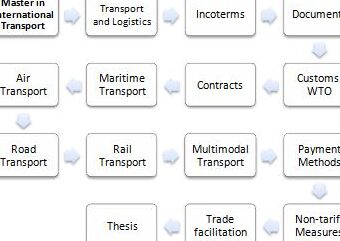
Transport contracts are essential agreements that govern the transportation of goods or passengers from one place to another. Whether you are a business owner looking to ship products or an individual needing to hire a transport service, understanding the ins and outs of transport contracts is crucial to ensure a smooth and legally binding transaction. In this article, we will explore the key aspects of transport contracts, common pitfalls to avoid, and tips for negotiating favorable terms. Stay tuned to learn how to navigate the world of transport contracts with confidence and ease.
Demystifying Transport Contracts: Your Guide to Understanding Key Terms
When dealing with transport contracts, it’s crucial to understand the key terms to ensure a smooth and successful agreement. Here are some essential terms you should be familiar with:
- Carrier: The party responsible for transporting goods or passengers.
- Consignor: The party sending the goods.
- Consignee: The party receiving the goods.
- Freight: The compensation paid for the transportation of goods.
- Bill of Lading: A document that serves as a receipt of goods and a contract of carriage.
Understanding these terms will help you navigate transport contracts more effectively. When entering into a contract, pay close attention to the following key aspects:
| Key Aspect | Explanation |
|---|---|
| Transportation Services | Specify the type of services to be provided (e.g., mode of transport, schedule, route). |
| Liability | Determine the extent of liability in case of loss, damage, or delay of goods. |
| Payment Terms | Agree on the freight rates, payment schedule, and any additional charges. |
When reviewing a transport contract, ensure that all terms are clearly defined and mutually agreed upon. If you encounter unfamiliar terms or clauses, don’t hesitate to seek clarification from the other party or a legal advisor. By being well-informed about the key terms in transport contracts, you can protect your interests and maintain a successful business relationship.
Unlocking Your Path to Securing a Trucking Contract in Australia
When it comes to securing a trucking contract in Australia, there are several key steps you need to follow to navigate the legal and regulatory aspects smoothly. Transport contracts can be complex, but with the right approach, you can unlock opportunities and establish a successful partnership. Here’s a practical guide to help you on your journey:
Understanding Legal Requirements
Before diving into the process of securing a trucking contract, it’s crucial to familiarize yourself with the legal requirements in Australia. This includes obtaining the necessary licenses and permits to operate as a transport provider. Make sure to:
- Check the specific regulations for transport contracts in Australia.
- Ensure your vehicles meet safety standards.
- Obtain the required insurance coverage.
Preparing a Comprehensive Contract
Once you have a good grasp of the legal framework, it’s time to prepare a comprehensive contract that outlines the terms and conditions of your agreement with the client. Your contract should include:
- Details of the services to be provided.
- Payment terms and conditions.
- Liability and insurance provisions.
Seeking Professional Advice
It’s always wise to seek professional advice, especially when dealing with complex contracts. Consider consulting with a legal expert specializing in transport contracts to ensure that your interests are protected and that the contract complies with Australian laws.
Renewals and Compliance
Once you have secured a trucking contract, it’s essential to stay on top of renewals and compliance requirements. Keep track of important dates, such as license renewals and contract expiration dates, to avoid any disruptions in your operations.
By following these steps and staying informed about the legal and regulatory aspects of transport contracts in Australia, you can unlock your path to securing a trucking contract successfully. Remember, thorough preparation and attention to detail are key to building a strong foundation for your transport business.
Mastering Local Freight Contracts: Your Step-by-Step Guide
When it comes to local freight contracts in the transport industry, it’s crucial to understand the ins and outs to ensure smooth operations and avoid any legal pitfalls. Mastering these contracts involves careful consideration of key elements to protect all parties involved. Here is a step-by-step guide to help you navigate the complexities of local freight contracts:
1. Understand the Basics: Familiarize yourself with the fundamental aspects of a local freight contract. This includes identifying the parties involved, defining the scope of services, outlining payment terms, and specifying responsibilities.
2. Define Services Clearly: Clearly outline the services to be provided, including the type of freight to be transported, pickup and delivery locations, expected timelines, and any special requirements.
3. Establish Pricing: Determine the pricing structure for the services, whether it’s based on weight, distance, volume, or a combination of factors. Be transparent about additional charges such as fuel surcharges or accessorial fees.
4. Include Terms and Conditions: Lay out the terms and conditions of the contract, including liability issues, insurance requirements, dispute resolution mechanisms, and any applicable regulations or laws.
5. Review Legal Compliance: Ensure that the contract complies with local transport regulations and laws. Seek legal advice if needed to avoid any compliance issues that could lead to penalties or legal disputes.
6. Sign and Execute the Contract: Once both parties agree to the terms, sign the contract to make it legally binding. Keep a copy for your records and ensure that all parties receive a signed copy for reference.
By following these steps and paying attention to the details of your local freight contracts, you can minimize risks, protect your interests, and build strong partnerships in the transport industry.
Unlocking Haulage Contracts: Your Step-by-Step Guide
When it comes to hauling goods, transport contracts play a crucial role in ensuring smooth operations and legal compliance. If you’re looking to unlock haulage contracts for your business, follow these practical steps:
1. Research and Preparation
Begin by researching the transport contracts market to understand the terms, pricing, and regulations. Identify your target clients and their specific needs to tailor your services accordingly.
2. Create a Strong Proposal
Develop a comprehensive proposal outlining your services, pricing, insurance coverage, and any special offerings. Highlight your experience, fleet size, and compliance with industry standards to stand out to potential clients.
3. Negotiation and Contract Signing
Engage in negotiations with potential clients to finalize the terms of the haulage contract. Ensure all parties are clear on responsibilities, liabilities, payment terms, and dispute resolution mechanisms before signing the contract.
4. Compliance and Legal Review
Before commencing operations, review the transport contract with a legal expert to ensure compliance with local regulations and industry standards. Clarify any ambiguous clauses and make necessary amendments to protect your interests.
5. Implementation and Monitoring
Once the haulage contract is signed, implement robust monitoring systems to track performance, delivery schedules, and client feedback. Address any issues promptly to maintain a positive relationship with your clients.
By following these steps diligently, you can effectively unlock haulage contracts and establish successful partnerships in the competitive transport industry. Remember, attention to detail and legal compliance are key to long-term success in the transport contracts market.
Before closing, a final tip on transport contracts would be to always review and understand the terms and conditions before signing. Make sure all details are clear and agreed upon to avoid any misunderstandings in the future. Remember, a well-drafted contract can save you time and money in the long run.
Thank you for reading our blog on legal and regulatory matters related to certificates, contracts, declarations, licenses, renewals, and tax issues. We hope you found the information valuable and practical for your needs.
Don’t forget that this blog is for informational purposes only. Always consult with a professional in the field to address your specific situation or concerns.
We encourage you to share your thoughts in the comments section below, share this article on your social media platforms, or explore other related articles on our blog. Your participation and feedback help us create content that is relevant and beneficial to our readers. Stay informed, stay empowered!
If you found this article informative and engaging, be sure to visit our IT Certifications section for more insightful articles like this one. Whether you’re a seasoned enthusiast or just beginning to delve into the topic, there’s always something new to discover in auslegalhub.com. See you there!

