
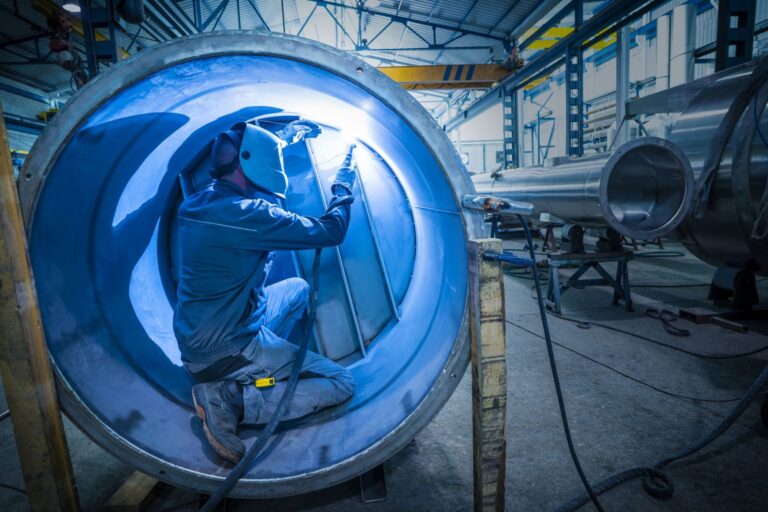
Welcome to our guide on welder certification in Australia! If you’re looking to pursue a career in welding or are a seasoned professional seeking to expand your opportunities, understanding the certification process is crucial. In this article, we will walk you through the requirements, process, and benefits of obtaining welder certification in Australia. Whether you’re new to the field or looking to advance your career, we’ve got you covered with all the essential information you need.
Becoming a Certified Welder in Australia: A Step-by-Step Guide
Welder certification in Australia is a crucial step towards advancing your career in welding. To become a certified welder in Australia, follow these steps:
1. Gain the Necessary Skills and Experience:
Start by gaining the required skills and experience in welding through vocational training or apprenticeships. Familiarize yourself with various welding techniques and safety protocols.
2. Complete a Welding Course:
Enroll in a welding course from a registered training organization (RTO) that offers welder certification programs. Make sure the course is in line with the Australian Welding Standards.
3. Obtain Welding Certifications:
Acquire relevant welding certifications such as AS/NZS 2980 Welder Certification Australia and AS 1796 Welder certification requirements. These certifications validate your skills and expertise in welding.
4. Gain Work Experience:
Gain practical experience by working in the welding industry. This hands-on experience will not only enhance your skills but also provide you with the necessary exposure to different welding scenarios.
5. Apply for Certification:
Once you have met the welder certification requirements, submit your application for certification to a recognized certification body such as Weld Australia. Be prepared to provide proof of your qualifications and experience.
6. Pass the Certification Exam:
Prepare for and successfully pass the welder certification exam. This exam will test your theoretical knowledge and practical skills in welding. Upon passing, you will receive your certified welder designation.
By following these steps diligently, you can achieve welder certification in Australia and open up opportunities for career growth and advancement in the welding industry.
Welder Qualification vs. Certification: Understanding the Difference
When it comes to working in the welding industry in Australia, understanding the difference between welder qualification and certification is crucial. Both are essential aspects that can impact your career opportunities and compliance with regulations. Let’s break down these terms to help you navigate the requirements effectively.
Welder Qualification
Welder qualification refers to the process where a welder demonstrates the ability to produce welds meeting specific criteria. This process involves testing the individual’s skills, typically based on welding codes and standards such as AS/NZS 1554. This qualification is specific to the welder’s performance and is not transferable between companies unless the new employer accepts the previous qualification. It is about proving your capability as a welder through practical tests.
Welder Certification
Welder certification, on the other hand, relates to the endorsement provided by a certification body that confirms the welder’s qualifications meet the required standards. This certification is usually granted after a welder has successfully completed the qualification process. It is often a formal document that demonstrates compliance with industry standards and regulations, enhancing employability and credibility.
When working in Australia as a welder, it’s essential to ensure that you hold both the necessary welder qualification and certification to meet industry requirements and legal standards. Be sure to regularly update your certifications and qualifications to stay current with evolving industry practices and regulations.
Speed up Your Welder’s Certification Process: Top Tips!
When it comes to obtaining your welder certification in Australia, efficiency is key. To speed up the process and ensure a smooth experience, consider the following top tips:
- Understand the Requirements: Familiarize yourself with the specific certification requirements set by the relevant authorities in Australia.
- Gather Necessary Documentation: Collect all required documentation, such as proof of training, work experience, and any other relevant certificates.
- Choose the Right Certification Body: Select a reputable certification body that is recognized in Australia for issuing welder certifications.
- Prepare for the Assessment: Be well-prepared for the certification assessment by reviewing the relevant welding standards and practices.
- Seek Professional Assistance: Consider seeking guidance from experienced professionals or training providers to enhance your preparation.
By following these tips, you can streamline the process of obtaining your welder certification in Australia and increase your chances of success. Remember, being proactive and well-prepared is key to achieving your certification efficiently.
Mastering Welding in Australia: Duration of Courses Unveiled
When it comes to welder certification in Australia, understanding the duration of courses is crucial for those looking to master welding skills. Welding courses in Australia vary in length based on the level of expertise and specialization desired. Here is a breakdown of the typical durations for different types of welding courses:
Duration of Welding Courses in Australia:
| Type of Course | Duration |
|---|---|
| Certificate I in Welding | 6-12 months |
| Certificate II in Engineering – Production Technology | 6-12 months |
| Certificate III in Engineering – Fabrication Trade | 2-3 years |
| Advanced Diploma of Engineering Technology – Mechanical Trade | 2 years |
It’s important to note that the duration of these courses can vary based on the institution offering them and whether they are full-time or part-time programs. Additionally, some courses may have prerequisite requirements that need to be fulfilled before enrollment.
For those looking to master welding in Australia, it is advisable to research different training providers and their course offerings to find a program that aligns with your career goals and time availability. Some institutions also offer flexible learning options, such as online courses or evening classes, to accommodate individuals with busy schedules.
By investing time and effort into a comprehensive welding course, individuals can acquire the necessary skills and knowledge to pursue a successful career in welding in Australia. Continuous learning and staying updated with industry trends are also essential for professional growth in this field.
As a final tip on welder certification in Australia, remember that staying informed about the latest regulations and requirements is key to ensuring compliance and success in your field. Keep track of any updates or changes in certification standards to maintain your credentials up-to-date.
Thank you for reading our blog and we hope you found the information valuable! If you have any questions, insights, or experiences related to welder certification, feel free to share them in the comments below. Your input can help others facing similar challenges or seeking advice.
Remember, consulting with a professional in the field is always recommended to address specific concerns or issues you may encounter. Stay engaged, stay informed, and keep pursuing excellence in your welding career!
If you found this article informative and engaging, be sure to visit our Professional Licenses section for more insightful articles like this one. Whether you’re a seasoned enthusiast or just beginning to delve into the topic, there’s always something new to discover in auslegalhub.com. See you there!

