
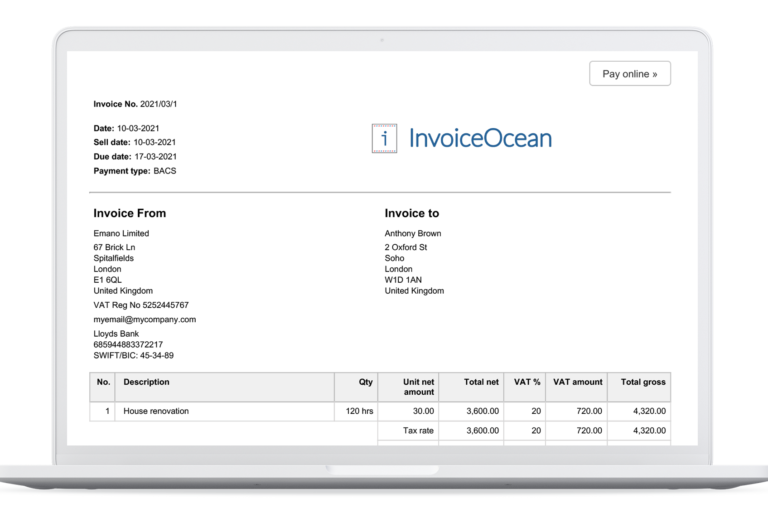
When it comes to managing your finances and complying with tax regulations, understanding what a tax invoice needs is essential. A tax invoice is a crucial document that businesses must provide to their customers for taxable sales of goods and services. In this article, we will explore the key components that a tax invoice must include to ensure compliance with tax laws and facilitate smooth business operations. Let’s dive in and unravel the essentials of creating a comprehensive tax invoice.
Essential Guide: Key Details for Your Tax Invoice!
When it comes to creating a tax invoice, there are key details that you must include to ensure compliance with tax regulations and facilitate smooth transactions with your clients. Here’s a breakdown of what a tax invoice needs:
Key Details for Your Tax Invoice:
- Supplier Information: Your business name, address, and tax identification number.
- Customer Information: The recipient’s name, address, and any relevant identification numbers.
- Invoice Number: A unique identifier for tracking and reference purposes.
- Invoice Date: The date when the invoice was issued.
- Due Date: The date by which payment should be made.
- Itemized List: A detailed description of the goods or services provided, including quantities, prices, and applicable taxes.
- Subtotal: The total amount before taxes.
- Tax Amount: The amount of tax charged on the transaction.
- Total Amount: The final amount due, including taxes.
By including these essential details on your tax invoice, you not only comply with legal requirements but also provide clarity to your customers regarding the transaction. Remember to keep accurate records of all your invoices for tax purposes and to ensure smooth business operations.
Creating a Comprehensive Tax Invoice: Essential Format Requirements
When creating a tax invoice, it is crucial to ensure that it complies with the essential format requirements. A well-prepared tax invoice not only helps in maintaining proper financial records but also ensures compliance with tax regulations. Here are the key elements that a tax invoice needs to include:
- Supplier Details: Include the name, address, and contact information of the supplier.
- Customer Details: Include the name, address, and contact information of the customer.
- Invoice Number: Assign a unique identification number to the invoice for tracking purposes.
- Invoice Date: Clearly state the date when the invoice is issued.
- Due Date: Specify the deadline for payment.
- Itemized List: Provide a detailed breakdown of the goods or services provided, including quantities, prices, and total amounts.
- Tax Information: Clearly display the applicable taxes, such as VAT or GST, along with the total tax amount.
- Payment Terms: Outline the payment methods accepted and any terms and conditions related to payment.
- Total Amount Due: Sum up the invoice amount, including taxes, and clearly state the total amount payable.
By ensuring that your tax invoice includes all the above elements in a clear and organized manner, you can avoid any discrepancies or issues during tax audits. It is also recommended to keep a digital and physical copy of each invoice for record-keeping purposes. Remember, a well-prepared tax invoice not only benefits your business but also helps in maintaining compliance with tax laws.
Demystifying Tax Invoices: What You Need to Know
When it comes to tax invoices, what you need to know is essential to ensure compliance with tax regulations and smooth business operations. A tax invoice is a crucial document that serves as proof of a transaction and enables businesses to claim input tax credits. To ensure that your tax invoices are valid and meet the necessary requirements, here’s a breakdown of what a tax invoice needs:
1. Essential Information:
A tax invoice must contain specific details to be considered valid. These include:
- The word “Tax Invoice” prominently displayed
- The seller’s and buyer’s names and addresses
- The seller’s Tax Identification Number (TIN) and the buyer’s TIN, if applicable
- A unique invoice number and date of issue
- A description of the goods or services provided
- The quantity of goods or extent of services
- The total amount charged, including any taxes
2. Tax Amount Breakdown:
It’s crucial to provide a clear breakdown of the taxes charged in the invoice. This includes:
- The applicable tax rate(s) for each item
- The total tax amount charged
3. Compliance with Tax Regulations:
Ensure that your tax invoice complies with the specific tax regulations in your jurisdiction. Different countries or regions may have varying requirements for tax invoices, such as additional mandatory information or formatting guidelines.
By understanding what a tax invoice needs and ensuring that your invoices meet these requirements, you can streamline your accounting processes, maintain compliance, and facilitate smooth business transactions. Remember to keep accurate records of all your tax invoices for future reference and audits.
Invoice Essentials: What Information to Include
When it comes to what does a tax invoice need, it’s crucial to include specific information to ensure compliance with tax regulations and smooth transactions. Here’s a breakdown of the essential details that should be present in a tax invoice:
Key Elements of a Tax Invoice:
- Supplier Details: Include the name, address, and GSTIN (Goods and Services Tax Identification Number) of the supplier.
- Customer Details: Include the name, address, and GSTIN of the customer, especially if they are registered for GST.
- Invoice Number: Assign a unique number to the invoice for tracking and reference purposes.
- Invoice Date: Clearly state the date when the invoice is issued.
- Itemized List: Provide a detailed description of the goods or services supplied, along with quantities, rates, and total amounts.
- Tax Details: Specify the applicable taxes (CGST, SGST, IGST) along with their respective amounts.
- Total Amount: Clearly mention the total amount payable by the customer, inclusive of all taxes.
By ensuring that your tax invoice contains all the necessary information listed above, you can streamline your invoicing process, maintain accurate records, and comply with tax laws effectively.
As a final tip, remember that a tax invoice needs to include specific details such as the seller’s information, buyer’s information, invoice number, date, description of goods/services, quantities, prices, and applicable taxes. Double-check these details to ensure compliance with tax regulations.
Thank you for reading our blog on legal, regulatory, and practical aspects related to certificates, contracts, declarations, licenses, renewals, and tax issues. Your feedback is valuable to us, so feel free to leave a comment below, share this article on social media, or explore other related topics on our website.
Remember, always consult with a professional in the field to address your specific needs and circumstances. Stay informed, stay compliant, and make well-informed decisions. We look forward to your continued engagement!
If you found this article informative and engaging, be sure to visit our Income Tax section for more insightful articles like this one. Whether you’re a seasoned enthusiast or just beginning to delve into the topic, there’s always something new to discover in auslegalhub.com. See you there!

