
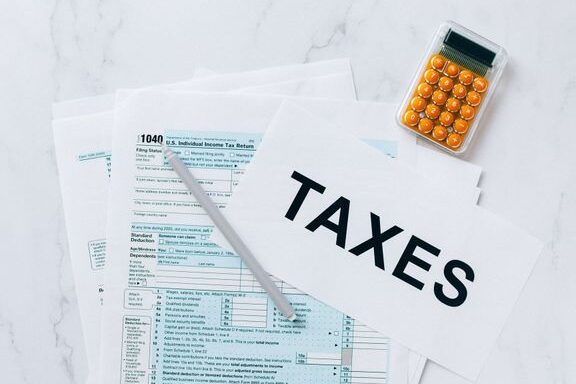
Understanding when you can lodge your tax return is crucial to staying compliant with tax regulations and avoiding penalties. In this article, we will explore the key factors that determine the ideal timing for lodging your tax return, helping you navigate this process smoothly and efficiently.
Key Dates for Filing Your 2024 Tax Return: Plan Ahead!
When can you lodge tax for the 2024 tax year? Planning ahead is key to ensuring a smooth tax filing process. Here are the key dates you need to keep in mind:
Individual Taxpayers
For individual taxpayers, the deadline to lodge your tax return for the 2024 financial year is typically October 31, 2024. It’s important to start gathering all your necessary documentation well in advance to avoid any last-minute rush.
Businesses and Self-Employed Individuals
Businesses and self-employed individuals often have different lodgment due dates based on their reporting obligations. Make sure to check with the Australian Taxation Office (ATO) for specific deadlines that may apply to your situation.
Extensions and Late Lodgments
If you find that you are unable to lodge your tax return by the deadline, you may request an extension from the ATO. However, it’s essential to have valid reasons for the extension request, as penalties may apply for late lodgments without a valid excuse.
By staying organized and aware of the key lodgment dates for your 2024 tax return, you can avoid unnecessary stress and potential penalties. Remember, early preparation is the key to a hassle-free tax filing experience.
Getting Started: When to Lodge Your First Tax Return
When it comes to lodging your first tax return, it’s essential to understand the timelines and requirements to ensure compliance with the law. Knowing when you can lodge your tax return can help you avoid penalties and stay on top of your financial obligations.
For individuals who need to lodge a tax return, the key factor determining when you can lodge is the end of the financial year, which in most countries is 31st December. Once the financial year ends, taxpayers are usually required to lodge their tax return within a specific timeframe.
The best practice is to start preparing your tax return as soon as possible after the end of the financial year. By getting organized early, you can gather all the necessary documentation and information needed to complete your return accurately. This proactive approach can also give you ample time to address any potential issues or seek professional advice if needed.
Here are some key points to consider when deciding when to lodge your first tax return:
- Understand the financial year end date.
- Check the deadline for lodging your tax return.
- Start preparing your documentation early.
- Consider seeking assistance from a tax professional if you are unsure.
By staying informed and proactive in your approach to lodging your first tax return, you can navigate the process smoothly and avoid any unnecessary stress or penalties. Remember, timely compliance with tax obligations is crucial for maintaining good financial standing and peace of mind.
Maximizing Your Refund: When to File Your Income Tax Early
When it comes to lodging tax early to maximize your refund, timing is key. To ensure you file your income tax return at the most beneficial time, consider the following factors:
1. Assess Your Documentation: Before lodging tax, gather all necessary documents such as income statements, receipts, and tax forms. Having everything organized will expedite the process.
2. Check for Changes in Tax Laws: Stay informed about any updates or changes in tax laws that could affect your return. Being aware of new regulations may influence when you decide to lodge tax.
3. Consider Your Financial Situation: Evaluate your financial situation to determine if you need your tax refund sooner rather than later. If you anticipate needing the funds for expenses, it may be beneficial to lodge tax early.
4. Utilize Online Filing Services: Take advantage of online tax filing services that allow for quick and efficient submission of your return. Many platforms offer the option to lodge tax early.
5. Be Mindful of Deadlines: Familiarize yourself with when you can lodge tax and the deadline for submission. Missing the deadline could result in penalties or interest charges.
By considering these factors and making an informed decision about when to lodge tax, you can maximize your refund and avoid any potential complications. Remember to stay organized, stay informed, and take advantage of available resources for a smooth tax filing process.
Tax Thresholds: When Do You Need to File a Tax Return?
When it comes to lodging tax returns, it’s crucial to understand the tax thresholds that determine whether you are required to file a tax return. The tax thresholds vary depending on your income, residency status, and other factors. Here’s a practical guide to help you determine when you need to lodge tax:
1. Assess Your Income: The first step is to assess your total income for the financial year. This includes wages, salary, rental income, dividends, and any other earnings.
2. Check the Tax Threshold: In Australia, for example, the tax thresholds for the 2021-2022 financial year are as follows:
| Taxable Income | Tax Rate |
|———————|————-|
| Up to $18,200 | 0% |
| $18,201 – $45,000 | 19% |
| $45,001 – $120,000 | 32.5% |
| $120,001 – $180,000 | 37% |
| $180,001 and above | 45% |
3. Determine Your Obligation: If your total income exceeds the tax-free threshold (currently $18,200 in Australia), you are required to lodge a tax return. Even if your income is below the threshold, you may still need to file a return if you have received government benefits or if you want to claim a tax refund.
4. Key Deadlines: It’s important to be aware of the lodgment due dates to avoid penalties. In Australia, the deadline for individuals is typically October 31st following the end of the financial year. However, if you are using a registered tax agent, you may have an extended deadline.
By understanding the tax thresholds and your income status, you can determine when you need to file a tax return. If you’re unsure about your obligations or need assistance with lodging tax, consider seeking advice from a qualified tax professional to ensure compliance and avoid any penalties.
As a final tip, remember that tax lodgment deadlines vary depending on your individual circumstances, so it’s crucial to stay informed about the specific dates that apply to you. Keep track of important deadlines to avoid penalties or late fees.
Thank you for reading our blog and staying informed about tax-related matters. We hope you found this information valuable and practical for managing your tax obligations effectively.
Remember, this blog is for informational purposes only. Always consult with a tax professional or advisor to address your specific needs and ensure compliance with regulations.
We encourage you to share your thoughts in the comments section below, share this article on social media to help others, or explore our other related articles for more insightful content.
Stay tuned for more tips and updates on legal, regulatory, and practical aspects related to certificates, contracts, declarations, licenses, renewals, and tax issues. See you next time!
If you found this article informative and engaging, be sure to visit our Income Tax section for more insightful articles like this one. Whether you’re a seasoned enthusiast or just beginning to delve into the topic, there’s always something new to discover in auslegalhub.com. See you there!

