
When purchasing a house, signing a contract is a crucial step in the process that seals the deal between buyer and seller. Understanding when to sign this important document can help you navigate the real estate transaction smoothly and confidently. Let’s explore the key points to consider to ensure a successful home buying experience.
Contract Signing: Before or After Deposit? Expert Guidance Here!
When purchasing a house, the question of when to sign the contract in relation to the deposit is crucial. This decision can impact the legal and financial aspects of the transaction. Let’s delve into the best approach for signing a contract when buying a house.
Before Deposit
If you decide to sign the contract before making a deposit, you are showing your commitment to the purchase early in the process. This approach can be beneficial as it demonstrates seriousness to the seller. However, there are risks involved:
- Risk of losing the deposit if you later change your mind.
- Less room for negotiation after signing the contract.
After Deposit
Alternatively, signing the contract after making a deposit provides some advantages:
- More time to review the terms and conditions of the contract.
- Greater negotiation power before signing.
However, there are also risks associated with this approach:
- The seller may consider other offers while you review the contract.
- Delays in signing the contract can prolong the buying process.
In conclusion, the decision of when to sign the contract when buying a house depends on your individual circumstances and risk tolerance. It is advisable to seek guidance from a real estate agent or legal professional to ensure a smooth and successful transaction.
Understanding Offer Contracts: When to Sign & Why
When buying a house, signing a contract is a critical step in the process that should not be taken lightly. Understanding when to sign and why is essential to ensure a smooth and successful transaction. Here are some key points to consider before signing a contract:
Key Considerations Before Signing a Contract:
- Finances: Ensure you have secured financing and are aware of all associated costs.
- Property Inspection: Conduct a thorough inspection of the property to identify any potential issues.
- Legal Review: Have the contract reviewed by a real estate attorney to ensure all terms are favorable.
Once you have completed these steps and are satisfied with the terms of the contract, you can proceed with signing. It is important to sign the contract in a timely manner to prevent any delays in the buying process.
Reasons to Sign a Contract:
| Commitment: | Signing a contract demonstrates your commitment to purchasing the property. |
| Legal Protection: | Once signed, the contract legally binds both parties to the agreed terms and conditions. |
| Prevents Other Offers: | Signing a contract can prevent other potential buyers from making competing offers on the property. |
By understanding the importance of when to sign a contract when buying a house and the reasons behind it, you can navigate the process with confidence and peace of mind.
Understanding the Timeline: From Contract Signing to Exchange
When do you sign a contract when buying a house?
Understanding the timeline from contract signing to exchange is crucial when purchasing a property. Knowing when to sign a contract can help ensure a smooth process and avoid any delays or misunderstandings. Here is a breakdown of the typical timeline:
- Offer acceptance: Once your offer is accepted by the seller, you will typically enter into a provisional agreement, which outlines the basic terms of the sale.
- Contract preparation: The next step involves the preparation of the formal contract of sale. This document will include all the details of the property, purchase price, deposit amount, and any conditions of the sale.
- Contract signing: After the contract is prepared, both the buyer and seller will sign it. This usually happens a few weeks after the offer is accepted.
- Exchange of contracts: The exchange of contracts is when the sale becomes legally binding. This is typically done a few weeks after signing the contract.
It is important to note that the timeline may vary depending on the specific circumstances of the sale and any negotiations between the parties involved. It is advisable to work closely with your real estate agent or solicitor to ensure that you understand the timeline and meet all the necessary deadlines.
Unveiling the Next Steps After Signing a Contract
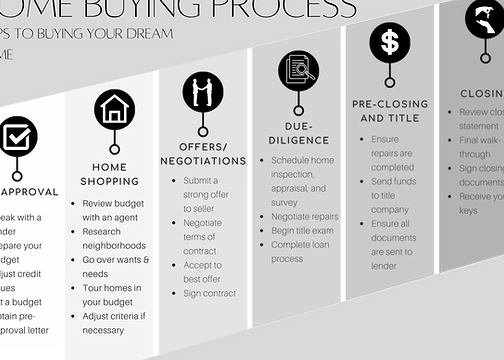
After signing a contract when buying a house, it’s crucial to understand the next steps to ensure a smooth and successful process. Once you’ve signed a contract for your new home, the following actions are typically taken:
1. Earnest Money Deposit: Shortly after signing the contract, you’ll need to provide an earnest money deposit to show your commitment to the purchase. This deposit is usually held in an escrow account until the closing.
2. Home Inspection: It’s essential to schedule a home inspection to evaluate the condition of the property. The inspection helps identify any issues that may need to be addressed before finalizing the purchase.
3. Mortgage Approval: Once the contract is signed, you’ll need to work on finalizing your mortgage. The lender will review your financial information and the property’s appraisal to approve your loan.
4. Title Search and Insurance: A title search will be conducted to ensure there are no liens or ownership disputes on the property. Purchasing title insurance can protect you from any unforeseen title issues.
5. Closing Preparations: As the closing date approaches, you’ll need to prepare all necessary documentation, including proof of insurance, a closing disclosure, and any required fees.
6. Closing Day: On the closing day, you’ll sign the final paperwork, pay any remaining closing costs, and receive the keys to your new home. Congratulations, you are now a homeowner!
By following these steps and staying organized throughout the process, you can navigate the post-contract phase when buying a house successfully. Remember to communicate effectively with all parties involved and seek guidance from real estate professionals if needed.
Before signing a contract when buying a house, make sure you have thoroughly reviewed all the terms and conditions with a real estate attorney or agent. Once you are confident in your understanding of the agreement, signing the contract is the next step towards homeownership. Remember, this legal document is binding, so it’s crucial to be certain about your decision before putting pen to paper.
Thank you for following along with our blog dedicated to legal and practical aspects of certificates, contracts, declarations, licenses, renewals, and tax issues. Your engagement and feedback are valuable to us! We invite you to leave a comment sharing your thoughts, share this article with others who may benefit from it, or explore our other related articles for more insightful content.
Remember, while our blog provides useful information, always consult with a professional in the field to address your specific concerns and ensure compliance with relevant regulations.
Happy house hunting and best of luck with your future real estate endeavors!
If you found this article informative and engaging, be sure to visit our IT Certifications section for more insightful articles like this one. Whether you’re a seasoned enthusiast or just beginning to delve into the topic, there’s always something new to discover in auslegalhub.com. See you there!

