
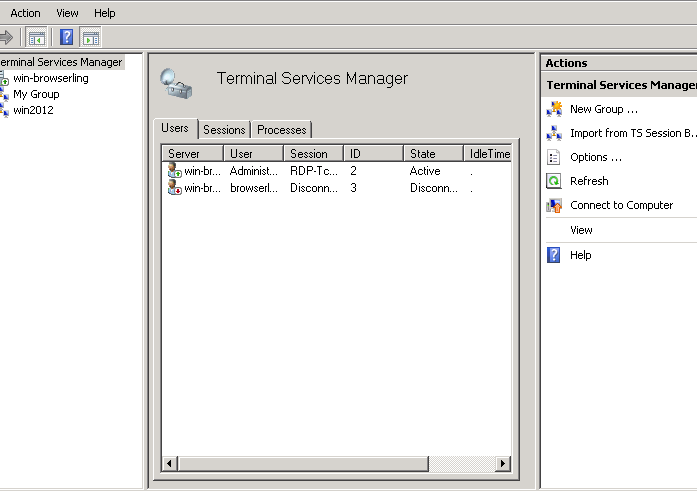
Welcome to our latest article where we delve into the world of terminal license server registry keys. Today, we will explore the essential information you need to know about this key component, including its functions, importance, and how to navigate and manage it effectively. Let’s dive in and unravel the mysteries surrounding terminal license server registry keys to help you better understand and optimize their usage.
Unlocking Your Terminal Server License: A Quick Guide
If you are facing issues with your terminal server license and need to unlock it, understanding the terminal license server registry key is crucial. This key holds important information related to your terminal server license, and accessing it correctly can help resolve licensing problems efficiently.
Here is a quick guide to help you navigate and unlock your terminal server license using the registry key:
Steps to Unlock Your Terminal Server License:
- Press Windows key + R to open the Run dialog box.
- Type regedit and press Enter to open the Registry Editor.
- Navigate to the following registry key path: HKEY_LOCAL_MACHINESYSTEMCurrentControlSetControlTerminal ServerRCM.
- Locate the X509 Certificate key under the RCM folder.
- Delete the X509 Certificate key.
- Close the Registry Editor and restart your terminal server.
By following these steps and deleting the X509 Certificate key in the specified registry path, you can effectively unlock your terminal server license. Remember to proceed with caution when making changes in the registry, as incorrect modifications can cause system instability.
After restarting your terminal server, check if the licensing issue has been resolved. If the problem persists, consider reaching out to your IT department or a professional for further assistance.
Unlocking Your Terminal Server License: A Step-by-Step Guide
If you are facing issues with your terminal license server registry key, unlocking your Terminal Server license can help resolve them. Here is a step-by-step guide to assist you in this process:
Step 1: Backup Registry
Before making any changes, it’s crucial to back up your registry to avoid any potential data loss. To do this, follow these steps:
- Press Windows + R to open the Run dialog box.
- Type regedit and press Enter to open the Registry Editor.
- Click on File in the top menu and select Export.
- Choose a location to save the backup, enter a name, and click Save.
Step 2: Modify Registry
Once you have backed up your registry, you can proceed to modify it to unlock your Terminal Server license. Here’s how:
- In the Registry Editor, navigate to HKEY_LOCAL_MACHINESOFTWAREMicrosoftMSLicensing.
- Locate the HardwareID key and delete it.
- Close the Registry Editor and reboot your system.
Step 3: Reactivate Terminal Server
After restarting your system, reactivate your Terminal Server license by following these steps:
- Go to the Control Panel and open System and Security.
- Click on System and then select Remote Settings.
- Under the Remote Desktop section, select the option to allow connections from computers running any version of Remote Desktop.
By following these steps, you should be able to successfully unlock your Terminal Server license and resolve any related issues with the terminal license server registry key.
Unlocking Your System: Removing Terminal Server License from Registry
To remove a Terminal Server License from the registry, follow these steps to unlock your system effectively:
-
Press Windows + R to open the Run dialog box.
-
Type regedit and press Enter to open the Registry Editor.
-
Navigate to HKEY_LOCAL_MACHINESOFTWAREMicrosoftMSLicensing in the Registry Editor.
-
Find the HardwareID key and delete it to remove the Terminal Server License information.
-
Close the Registry Editor and restart your system for the changes to take effect.
By following these simple steps, you can successfully remove the Terminal Server License from the registry and unlock your system without any hassle.
Understanding Terminal Server License Servers: A Practical Guide
When it comes to managing terminal license server registry keys, it’s crucial to understand the implications and processes involved. These registry keys play a vital role in the functioning of Terminal Server License Servers, impacting licensing and access for users. To navigate this aspect effectively, here is a practical guide to help you grasp the essentials.
First and foremost, it’s essential to know where to locate the terminal license server registry keys on your system. These keys are typically found in the Windows Registry Editor, under specific paths related to Terminal Server Licensing. To access and modify these keys, follow these steps:
- Press Windows key + R to open the Run dialog box.
- Type regedit and press Enter to open the Registry Editor.
- Navigate to HKEY_LOCAL_MACHINESYSTEMCurrentControlSetControlTerminal ServerRCM to find the terminal license server registry keys.
Once you have located the relevant keys, it’s crucial to understand their significance and how they impact your Terminal Server License Server. These keys store essential information related to licensing, activation, and communication with clients. Modifying these keys without proper knowledge can lead to licensing issues and disruptions in service.
When working with terminal license server registry keys, always proceed with caution and make backups before making any changes. Incorrect modifications can result in system instability and licensing errors. If you are unsure about a specific key or its purpose, it’s best to seek guidance from a professional or refer to official documentation.
In conclusion, mastering the management of terminal license server registry keys is a fundamental aspect of maintaining a smoothly functioning Terminal Server License Server. By understanding their role, location, and significance, you can ensure proper licensing compliance and seamless user access. Remember to handle these keys with care and seek assistance when in doubt to avoid any potential issues.
As a final tip on the topic of the terminal license server registry key, remember to always back up the registry before making any changes to avoid any potential issues. This simple step can save you a lot of time and frustration in case something goes wrong.
I hope this article has shed some light on this important aspect of managing licenses on your terminal server. If you have any questions or would like to share your experiences with us, feel free to leave a comment below. Your feedback is valuable to us!
Remember, the information provided in this blog is for guidance purposes only. Always consult with a professional in the field to ensure that you are complying with all legal requirements and best practices.
Thank you for reading and stay tuned for more insightful articles on certificates, contracts, declarations, licenses, renewals, and tax issues. Don’t forget to share this article with your network if you found it helpful!
If you found this article informative and engaging, be sure to visit our IT Certifications section for more insightful articles like this one. Whether you’re a seasoned enthusiast or just beginning to delve into the topic, there’s always something new to discover in auslegalhub.com. See you there!

